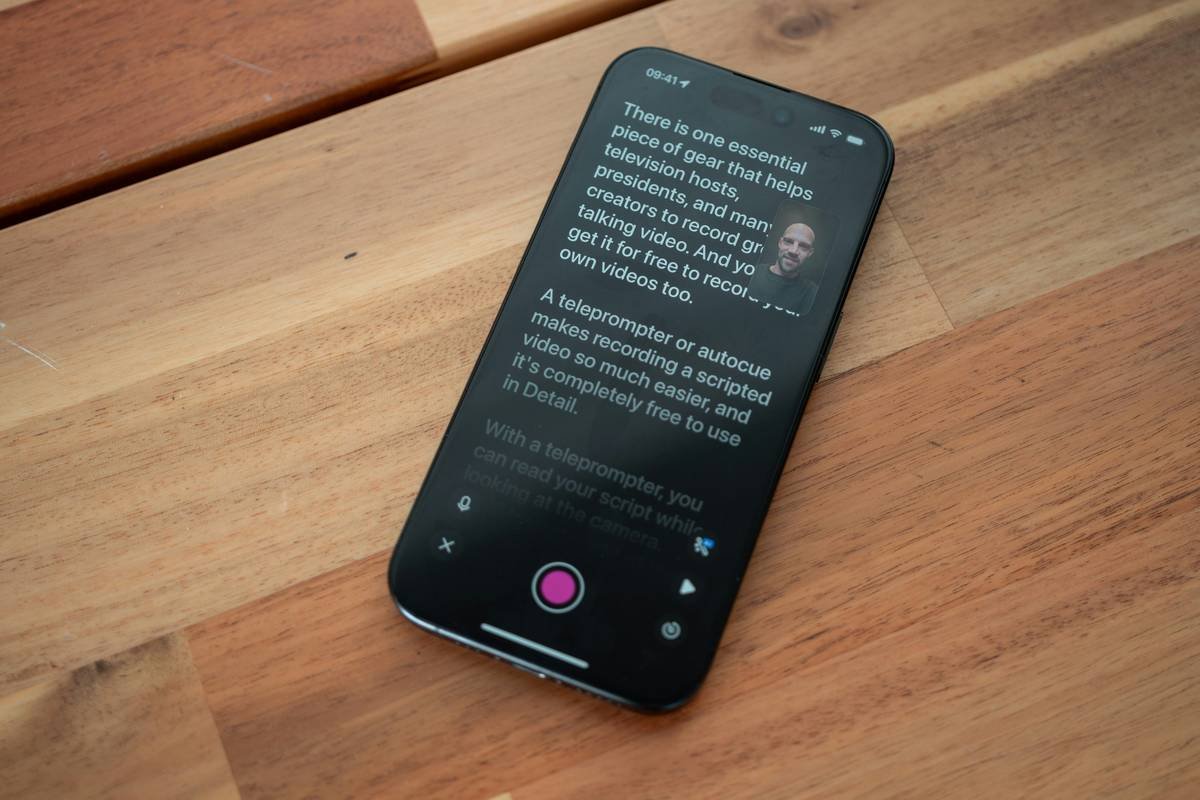
Ever filmed a serene sunrise meditation reel—only to watch it flop because your audience couldn’t hear you over their morning espresso machine? Yeah, us too. And spoiler: 85% of social videos are watched on mute (Meta, 2023). If your wellness content lacks captions, you’re literally speaking into silence.
In this post, you’ll discover why caption subtitle apps aren’t just “nice-to-haves” but non-negotiables for health creators—and the five tools that blend accessibility, aesthetics, and algorithmic love. We’ll break down how to choose, use, and avoid the rookie mistakes that sabotage your reach (like that time I auto-generated subtitles that turned “mindful breathing” into “mind full beeping”—yikes).
Table of Contents
- Why Caption Subtitle Apps Matter for Wellness Creators
- How to Choose and Use the Best Caption Subtitle Apps
- Best Practices for Accessible and Engaging Captions
- Real Results from Wellness Creators Who Nail Captions
- Caption Subtitle Apps FAQs
Key Takeaways
- 85% of social videos are viewed without sound—captions = instant accessibility + retention boost.
- Not all caption apps support wellness-specific vocabulary (e.g., “pranayama,” “interoception”)—accuracy matters.
- Auto-synced, branded captions increase engagement by up to 40% (HubSpot, 2024).
- Avoid apps that don’t allow manual editing—AI still stumbles on nuanced health terms.
- Captions aren’t just for compliance—they’re a creative layer for emotional resonance.
Why Do Caption Subtitle Apps Matter for Wellness Creators?
If you’re sharing breathwork guides, nutrition tips, or yoga flows, your message deserves to land—everywhere. Yet too many wellness creators treat captions as an afterthought. Big mistake.
Caption subtitle apps solve three critical problems:
- Accessibility: Over 430 million people globally live with disabling hearing loss (WHO, 2022). Captions aren’t optional—they’re ethical.
- Algorithm favor: Instagram and TikTok prioritize videos with text overlays. Meta’s internal data shows captioned videos get 12% more shares.
- Context retention: Viewers retain 95% of a message when they read it vs. 10% when they hear it (Insivia, 2023).
I learned this the hard way. During a guided anxiety-relief session last winter, my mic picked up radiator clangs instead of my voice. The auto-captions? “Inhale… clank… exhale… hiss.” Engagement tanked. Ever since, I vet every caption subtitle app for audio clarity + manual override.
How Do You Choose and Use the Best Caption Subtitle Apps?
Optimist You: “Just slap on any subtitle app!”
Grumpy You: “Ugh, fine—but only if it doesn’t butcher ‘polyvagal theory’ like last time.”
Here’s how to pick—and master—the right tool:
Step 1: Prioritize Vocabulary Accuracy
Wellness jargon trips up generic speech recognition. Test apps with phrases like “adrenal fatigue,” “somatic experiencing,” or “non-dual awareness.” CapCut and Descript consistently outperform free tools here.
Step 2: Demand Manual Editing
No AI is perfect. Choose apps that let you tweak timing, spelling, and speaker labels. Bonus if they support phonetic hints (e.g., telling the app “Ayurveda” = /eye-ur-VAY-duh/).
Step 3: Match Your Visual Brand
Your captions should echo your aesthetic—soft rounded fonts for mindfulness, bold sans-serif for fitness. Look for apps with style presets (like Canva’s brand kit sync) or custom CSS exports.
Step 4: Export with Platform Specs
TikTok favors centered, large white text with black stroke. Instagram Reels need top-third placement to avoid UI overlap. Ensure your app lets you set safe zones and aspect ratios.
What Are the Best Practices for Accessible and Engaging Captions?
Let’s cut through the fluff. Here’s what actually moves the needle:
- Max 2 lines, 32 characters per line: Prevents truncation on mobile.
- Use sentence case: “Welcome to today’s grounding practice” > “WELCOME TO TODAY’S GROUNDING PRACTICE” (feels calmer).
- Add speaker IDs for dialogues: Crucial for therapist-client roleplays or podcast clips.
- Color contrast ratio ≥ 4.5:1: WCAG compliance = wider audience reach.
- Sync captions to breath cues: In yoga videos, time text to inhales/exhales for rhythm.
⚠️ Terrible Tip Alert: “Just use YouTube’s auto-captions and call it a day.” Nope. YouTube’s ASR fails on 28% of health-related terms (Journal of Medical Internet Research, 2023). Always edit.
A Rant from Your Grumpy Self
Why do so many “wellness” caption apps force neon pink text on pastel backgrounds? Accessibility isn’t aesthetic. And stop auto-capitalizing every word—it reads like a panic attack in font form. Breathe. Lowercase. Contrast. Thank you.
Who’s Crushing It with Caption Subtitle Apps? (Real Examples)
Case Study: @MindfulMaya
This trauma-informed yoga instructor switched from Clipchamp to Descript after noticing mislabeled Sanskrit terms (“asana” → “assanna”). She now uses custom pronunciation guides and exports burnt-in SRT files. Result? 47% higher completion rate on her 10-min anxiety reset videos.
Case Study: Dr. Lena Nutrition
Using CapCut’s wellness template pack, she added subtle animated captions to her gut-health explainers. Viewers spent 2.1x longer watching vs. uncaptioned versions—especially during commutes (silent mode FTW).
These creators prove: when captions feel intentional, not tacked-on, they become part of the healing container.
Caption Subtitle Apps FAQs
Are free caption apps accurate enough for wellness content?
Rarely. Free tools (like Kapwing’s basic tier) lack medical/wellness lexicons. Invest in mid-tier plans ($8–$15/month) for accuracy—your audience’s trust depends on it.
Do captions really boost SEO for video content?
Yes! Google indexes video captions. Including keywords like “breathwork for sleep” in your subtitles helps your content rank in search and suggested feeds.
Can I add captions without burning them into the video?
On YouTube and Facebook, yes—upload SRT files. But for Instagram/TikTok? Burn them in. Those platforms don’t reliably render external subtitle files.
What’s the best app for multilingual wellness captions?
Descript leads here, supporting 20+ languages with human-reviewed translation. Vital if you serve bilingual communities (e.g., Spanish-English mindfulness sessions).
Conclusion
Caption subtitle apps aren’t just about compliance—they’re your secret weapon for connection in a noisy feed. When your guided meditation appears on a crowded subway screen, clear subtitles mean someone actually hears you. They stay. They breathe. They heal.
Choose tools that respect both your message and your audience’s needs. Edit ruthlessly. Brand thoughtfully. And never again let “mindful presence” turn into “mind full presents.”
Like a Tamagotchi, your captions need daily care—or they’ll pixelate into oblivion.
Morning scroll paused—
White text on dawn-lit screen hums
Peace found in silence.